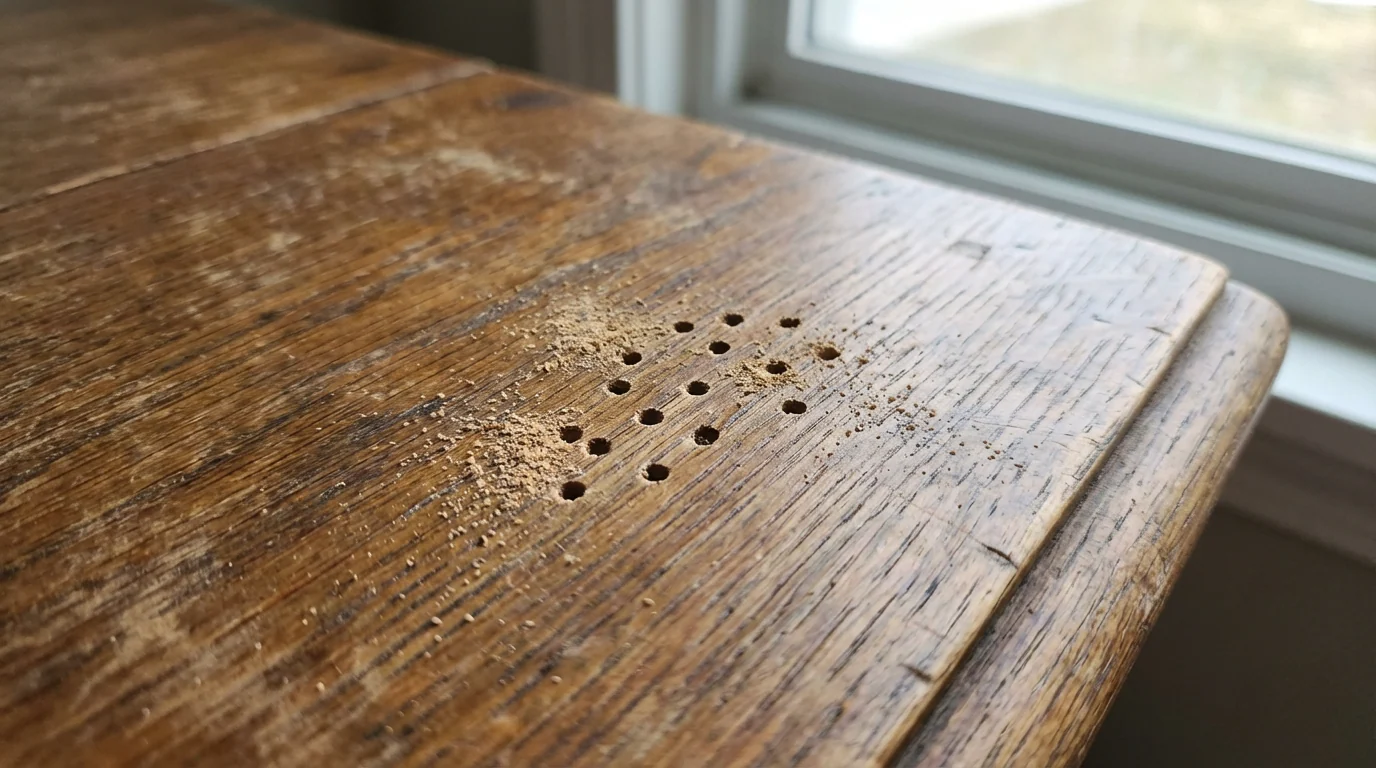
Tiny round holes in a wooden cupboard, powder-like dust beneath a chair or unexplained damage to a door frame can be signs of wood-boring insects. Because much of the damage develops inside timber, the problem may go unnoticed until adult insects emerge.
If you are searching for woodborer treatment in Pune, the first step is to identify the pest correctly. Not every hole indicates an active infestation, and termites, wood-boring beetles and other insects require different management approaches.
This guide from Supreme Pest Control explains what homeowners should look for, how woodborers damage furniture and when professional treatment may be necessary.
What Are Woodborers?
Woodborers are insects whose immature stages develop inside wood. In homes, certain wood-boring beetles can infest furniture, wooden fittings, flooring and other timber products.
The larvae feed within suitable wood, creating tunnels as they develop. When adult beetles emerge, they may leave small exit holes on the surface.
The appearance of the holes, type of wood, insect species and condition of the timber can help determine the likely cause.
Woodborer activity is not the same as termite activity, although both may damage wooden materials.
6 Signs of Woodborer Infestation in Pune Homes
1. Small Round Exit Holes
One common warning sign is the appearance of small, round holes in wooden surfaces.
However, old exit holes can remain visible long after an infestation has ended. Holes alone do not prove that insects are still active.
2. Fine Powder Beneath Furniture
Some wood-boring beetles produce fine, flour-like frass, often described as wood powder.
Fresh deposits beneath a cupboard, shelf or wooden panel may suggest activity, although the source should be investigated.
3. New Holes Appearing Over Time
Photograph suspected holes and record the inspection date.
If additional holes appear later, the finding may help a professional assess whether insects are continuing to emerge.
4. Weakened Wooden Components
Internal tunnelling can weaken affected timber.
Loose furniture joints, damaged panels or unusually fragile wood should be examined carefully.
5. Adult Beetles Near Furniture
Small beetles found around wooden items or windows may provide useful identification evidence.
If possible, safely retain a specimen for inspection.
6. Repeated Dust Accumulation
If fine wood powder repeatedly appears after careful cleaning, check the surrounding timber for possible insect activity.
Dust can also result from ordinary wear, repairs or other causes, so identification remains important.
Why Does Woodborer Damage Occur?
Different wood-boring insects prefer different timber conditions.
Factors that may influence infestation include:
- Wood species and starch content
- Moisture levels in timber
- Age and condition of the material
- Whether the wood was properly dried or treated
- Introduction of infested furniture or timber
- Accessibility of suitable wood surfaces
Not all woodborers prefer damp wood. Some powderpost beetles can develop in relatively dry hardwood, while other wood-boring insects are associated with moisture-damaged timber.
This is why a single prevention method cannot address every species.
Which Wooden Items Should You Inspect?
In Pune homes, inspect wooden items showing suspicious holes, dust or deterioration.
Common examples include:
- Wooden cupboards and wardrobes
- Tables, chairs and bed frames
- Door frames and window fittings
- Wooden shelves and storage units
- Decorative panels and timber flooring
Focus on visible damage rather than assuming every wooden item is infested.
Woodborers vs Termites: What Is the Difference?
Wood-boring beetles often leave identifiable emergence holes and may produce powder-like frass.
Subterranean termites, by comparison, can create mud tubes and concealed feeding galleries. Drywood termites may produce characteristic pellets.
These differences can help guide inspection, but visual signs are not always conclusive.
A trained professional may need to examine the wood, frass, damage pattern or insect specimens to identify the pest.
Correct identification prevents unnecessary or ineffective treatment.
How Does Professional Woodborer Treatment Work?
Step 1: Inspect the Affected Timber
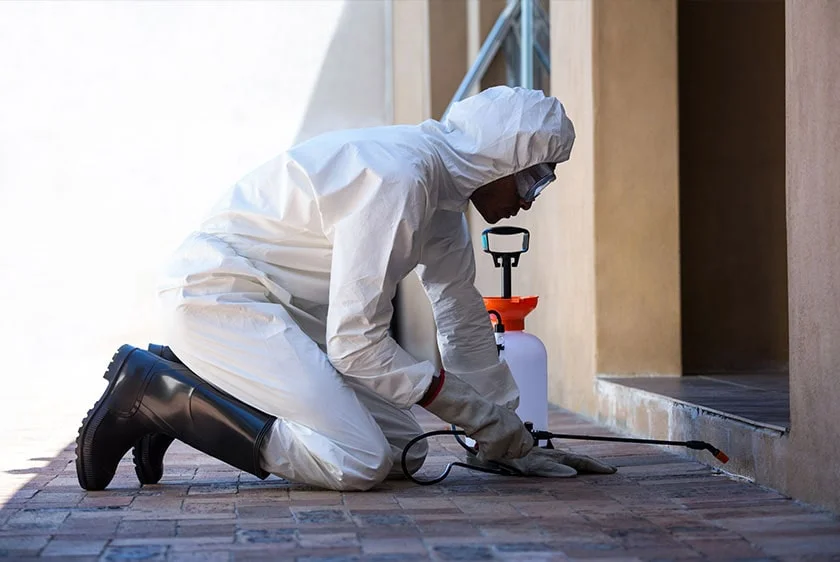
A technician examines the holes, frass, wood condition and surrounding materials.
The inspection should determine whether there is evidence of active infestation and identify the likely insect group.
Step 2: Assess the Extent of Damage
The provider checks whether activity is limited to a movable furniture item or affects fixed wooden fittings.
Structural timber showing significant damage may require assessment by a qualified building professional.
Step 3: Select an Appropriate Treatment
Depending on the pest, timber and accessibility, possible options include:
- Targeted application of a suitable registered wood-treatment product
- Treatment of accessible unfinished timber surfaces
- Specialist treatment of removable infested items
- Replacement of severely damaged or unsuitable timber
- Moisture correction where dampness contributes to the problem
Surface treatments may not reach larvae deep inside sealed wood. The provider should explain the method's limitations.
Step 4: Monitor the Results
New exit holes may appear after some treatments because insects already developing inside the wood can continue emerging.
Follow-up inspection helps distinguish expected emergence from continuing infestation.
Can You Treat Woodborers Yourself?
Cleaning away wood dust may help reveal new activity, but cleaning alone does not eliminate larvae inside timber.
Avoid pouring household chemicals, kerosene or unlabelled insecticides into furniture holes.
Such methods may damage finishes, create fire or health hazards and fail to reach the insects.
Before applying any pesticide, confirm that the product is approved for the intended use and follow its label instructions.
Valuable antique furniture may require specialist conservation advice before treatment.
How to Prevent Woodborer Problems
Prevention begins with careful timber selection and regular inspection.
- Examine second-hand wooden furniture before bringing it indoors.
- Purchase appropriately seasoned and treated timber from reliable suppliers.
- Repair persistent leaks and moisture problems.
- Inspect wooden fittings for new holes or powder deposits.
- Keep photographs and dates of suspicious damage.
- Avoid storing timber directly against persistently damp surfaces.
- Seek advice before repairing or replacing badly affected structural wood.
These measures reduce certain risks but cannot guarantee that wood-boring insects will never appear.
Frequently Asked Questions
What causes tiny holes in wooden furniture?
Some wood-boring beetles leave small exit holes when adults emerge. However, old insect damage, manufacturing marks and other causes are possible.
Does wood powder always mean active woodborers?
No. Frass may remain from an old infestation, and ordinary woodworking dust can look similar. Fresh deposits and other evidence should be evaluated together.
Can woodborers spread to other furniture?
Some species may infest additional suitable timber, but the risk depends on the insect, wood type and environmental conditions.
Is woodborer treatment the same as termite treatment?
No. The pests differ in biology and behaviour, so treatment selection should follow correct identification.
How much does woodborer treatment cost in Pune?
Costs depend on the affected items, pest identification, infestation extent, treatment method and any required follow-up. Request an inspection-based quotation.
Looking for Woodborer Treatment in Pune?
If you notice new holes, fine powder or unexplained deterioration in wooden furniture, avoid assuming the cause without an inspection.
Supreme Pest Control serves Mumbai, Thane, Navi Mumbai and Pune.
Visit https://supremepestcontrol.co.in/ to enquire about pest management and confirm suitable woodborer inspection or treatment options for your property.
Early identification and appropriate timber care can help reduce the risk of further damage.
Need help with a pest issue?
Our team can discuss an inspection for your property in Mumbai, Thane, Navi Mumbai or Pune.
Book an inspection ↗