# Pest Control Inspection in Mumbai: How to Prepare Your Home
Have you noticed cockroaches returning to your kitchen, unexplained droppings near storage cabinets or suspicious damage to wooden furniture? Before choosing a treatment, it helps to understand what pest is present and where the activity originates.
A professional pest control inspection in Mumbai can help homeowners identify possible entry points, hidden harbourages and conditions that encourage infestations. Preparing your home beforehand makes it easier to explain the problem and allows the technician to examine relevant areas.
Here is a practical checklist for apartment residents and homeowners preparing for an inspection.
Why a Pest Inspection Should Come Before Treatment
Different pests require different control methods. Cockroaches, rodents, bed bugs and termites do not respond to the same treatment approach.
A proper assessment helps determine whether the issue involves an established infestation, occasional pest entry or environmental conditions that need correction.
For example, repeatedly spraying a kitchen may not address cockroaches sheltering behind appliances or entering through plumbing gaps.
An inspection helps avoid choosing treatment based only on a single sighting.
Seven Steps to Prepare for a Pest Control Inspection
1. Record Where You Have Seen Pests
Write down which rooms are affected and when activity usually occurs.
Note whether cockroaches appear after dark, whether ants follow a particular route or whether scratching sounds come from a ceiling or cupboard.
These observations help the technician prioritise inspection areas.
2. Take Clear Photographs
If possible, photograph insects, droppings, shed skins, damaged packaging or suspicious wood damage.
Avoid disturbing potentially hazardous material simply to obtain a photograph.
Images can be particularly useful when pests are not visible during the appointment.
3. Make Affected Areas Accessible
Provide reasonable access to sink cabinets, kitchen corners, storage areas and other places where pest activity has occurred.
You do not need to empty every cupboard unless instructed by the service provider.
Move fragile belongings away from inspection areas and ask for assistance before shifting heavy appliances.
4. Avoid Removing All Evidence
Ordinary household cleaning can continue, but avoid destroying suspicious evidence immediately before an inspection.
For example, termite mud tubes, insect egg cases or unexplained wood pellets may help identify the problem.
If material presents a contamination risk, prioritise safety and tell the technician what was found.
5. Identify Moisture and Maintenance Problems
Check for dripping taps, damp cabinets, leaking pipes and poorly sealed utility openings.
Pests frequently benefit from accessible water and shelter.
A technician may recommend repairing these conditions alongside other control measures.
6. Explain Previous Treatment Attempts
Tell the inspector about household sprays, gels, traps or professional treatments previously used.
Include approximate dates and whether the activity decreased, returned or remained unchanged.
This information helps prevent incompatible treatment choices and unnecessary chemical applications.
7. Mention Children, Pets and Household Concerns
Inform the provider about children, pets, sensitive occupants and any areas that require special precautions.
Ask whether inspection or treatment preparations are needed and whether occupants must leave particular spaces.
What Areas May Be Checked During an Inspection?
Kitchen and Utility Areas
The technician may examine accessible spaces beneath sinks, around plumbing, behind movable equipment and inside cabinets.
Food debris, moisture and concealed gaps can support cockroach and ant activity.
Bedrooms and Furniture
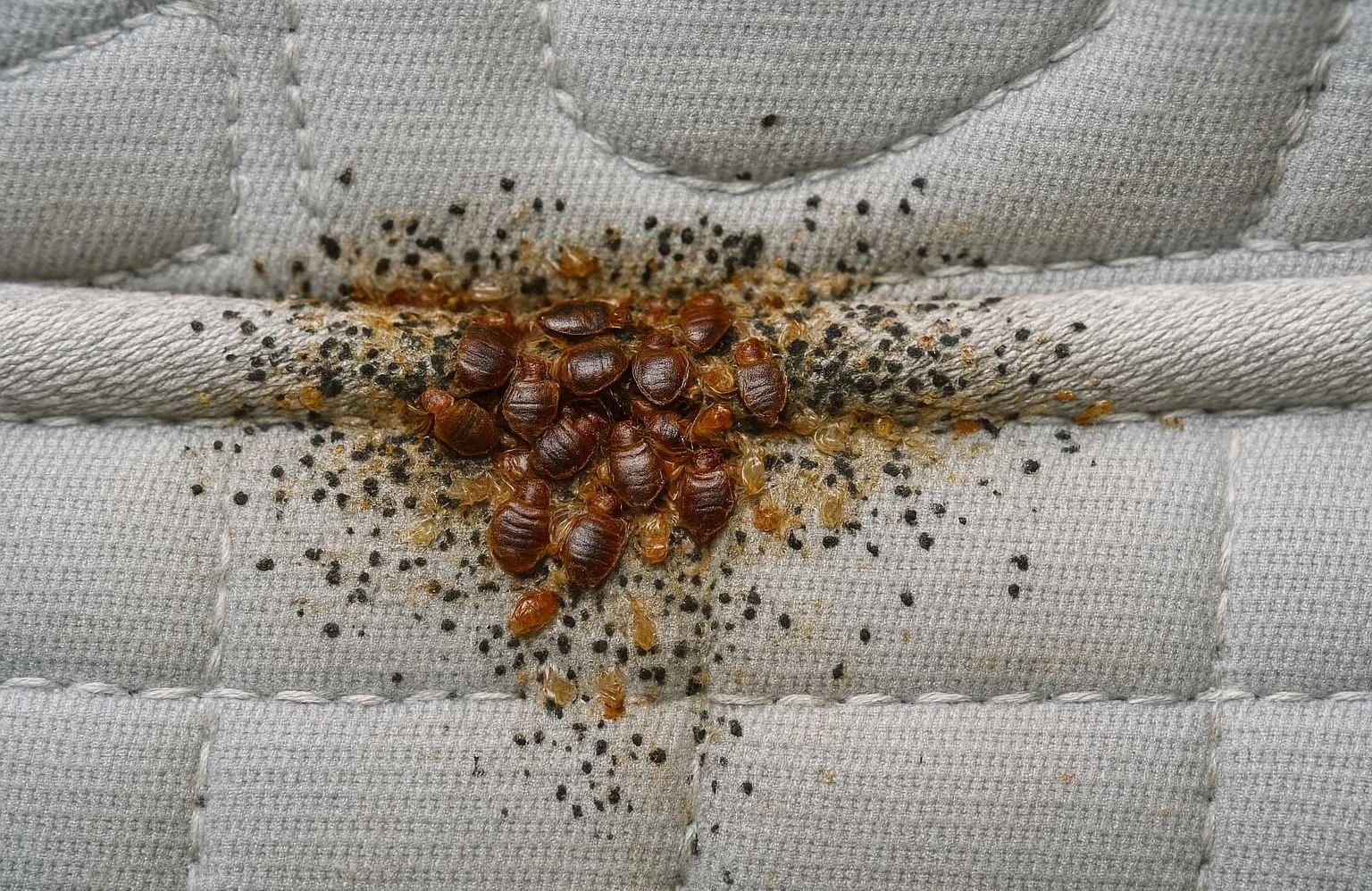
Where bed bugs are suspected, inspection may focus on mattress seams, bed frames, nearby furniture and other likely hiding places.
Unexplained bites alone do not establish a bed bug infestation, so physical evidence matters.
Bathrooms and Drainage Points
Persistent moisture, pipe gaps and drainage defects may create favourable conditions for certain pests.
Inspectors may recommend maintenance work where structural or plumbing problems contribute to activity.
Balconies and Building Entrances
Balcony containers, door gaps, window screens and service openings can also deserve attention.
In apartment buildings, shared plumbing shafts or common areas may require coordination with building management.
Questions to Ask Before Approving Pest Treatment
Before proceeding, ask what pest has been identified and what evidence supports that identification.
Request an explanation of the proposed treatment method, preparation requirements, expected follow-up and relevant safety precautions.
If pesticides are recommended, ask which products will be used and what access restrictions or re-entry instructions apply.
You can also ask whether sanitation, repairs or monitoring could reduce the need for repeated applications.
Does Every Pest Inspection Lead to Chemical Treatment?
No. Some situations may be managed through sanitation, exclusion, moisture repairs or monitoring.
Other infestations may require targeted professional treatment.
The appropriate response depends on pest identification, activity level, property conditions and the risks involved.
A responsible pest management approach considers prevention and lower-risk options before selecting chemical controls.
When Should Mumbai Homeowners Arrange an Inspection?
Consider requesting an assessment when pest sightings recur, droppings or egg cases appear, wood damage is unexplained or activity persists despite cleaning and basic prevention.
An inspection may also be useful when multiple rooms are affected or pests appear to be entering from inaccessible building spaces.
Early investigation can help homeowners understand the problem before committing to a treatment plan.
Frequently Asked Questions
Should I clean my home before a pest inspection?
Normal cleaning is fine. However, photograph suspicious evidence before removing it and avoid disturbing potentially contaminated material.
Do I need to empty all kitchen cabinets?
Not necessarily. Ask the provider which areas need access. Requirements vary according to the suspected pest.
How long does a pest control inspection take?
Duration depends on property size, accessibility, the pest involved and the scope of the assessment. Confirm the expected duration when arranging the appointment.
Can a technician identify pests without seeing live insects?
Sometimes. Droppings, damage patterns, egg cases, photographs and monitoring evidence may assist identification, although some cases require further investigation.
Is treatment always performed on the same day?
Not always. Treatment may require separate preparation, a suitable appointment or further assessment. Confirm the process with the provider.
Arrange a Pest Control Inspection in Mumbai
Recurring pest activity deserves more than guesswork. A well-prepared inspection can help identify the likely pest, understand contributing conditions and determine appropriate next steps.
Supreme Pest Control serves Mumbai. Contact the team to discuss your pest concerns, inspection requirements and available treatment options.
Visit https://supremepestcontrol.co.in/ to enquire about pest control services.
Need help with a pest issue?
Our team can discuss an inspection for your property in Mumbai, Thane, Navi Mumbai or Pune.
Book an inspection ↗