# Restaurant Pest Control in Mumbai: A Practical Guide for Food Businesses
Running a restaurant in Mumbai involves more than serving delicious food. Maintaining a hygienic kitchen is essential for protecting ingredients, employees, customers and daily operations.
Cockroaches, rodents, flies and stored-product insects can enter restaurants through deliveries, drainage systems, structural openings and waste areas. Even a clean restaurant can experience pest activity if entry points and hidden harbourages are overlooked.
Effective restaurant pest control in Mumbai requires a combination of sanitation, routine monitoring, structural maintenance and professional intervention when necessary.
Why Restaurant Pest Management Matters
Commercial kitchens provide conditions that attract pests: food, moisture, warmth and shelter.
Busy restaurant kitchens contain storage shelves, drainage channels, refrigeration equipment and preparation stations. These spaces may become pest harbourages when cleaning and maintenance are inconsistent.
Pest activity can contaminate ingredients, damage packaging, disrupt operations and create food-safety concerns.
For Mumbai restaurant operators, pest prevention should be part of regular kitchen management rather than an occasional response to visible insects.
Common Pests Found in Restaurant Kitchens
1. Cockroaches
Cockroaches often hide beneath sinks, behind refrigerators, inside cabinet gaps and near warm kitchen equipment.
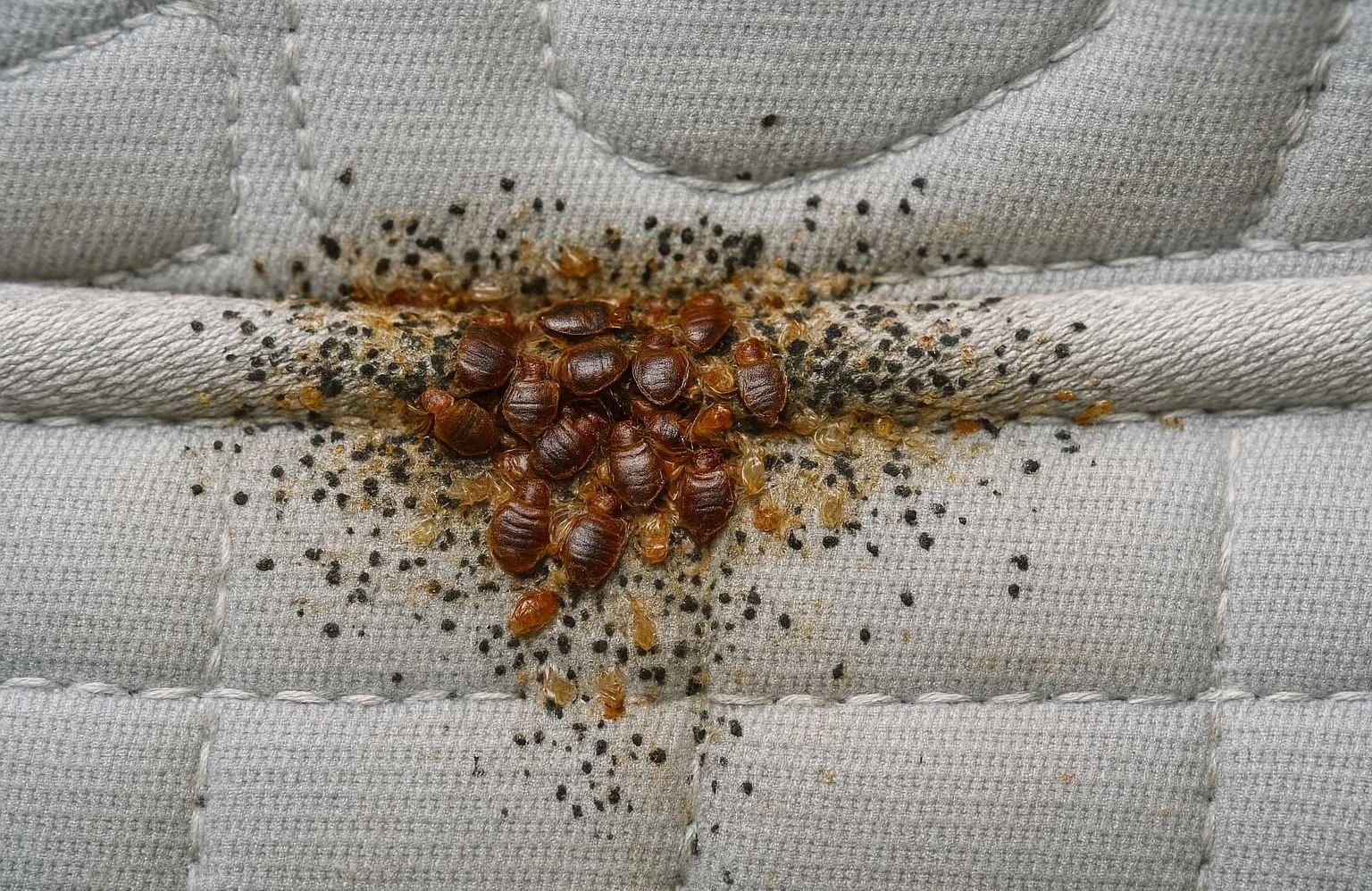
Warning signs include small dark droppings, egg cases, shed skins and repeated sightings.
Grease accumulation, moisture and food debris can support cockroach activity. Cleaning helps reduce attractants, but an established infestation may require targeted professional treatment.
2. Rats and Mice
Rodents may enter through damaged doors, service ducts, pipe openings and gaps around utility connections.
Signs include gnaw marks, droppings, damaged food packaging and scratching sounds.
Rodent droppings require careful handling. Staff should avoid dry sweeping or vacuuming potentially contaminated materials, which may disperse hazardous particles.
3. Houseflies and Drain Flies
Flies may be associated with exposed waste, wet organic material and poorly maintained drains.
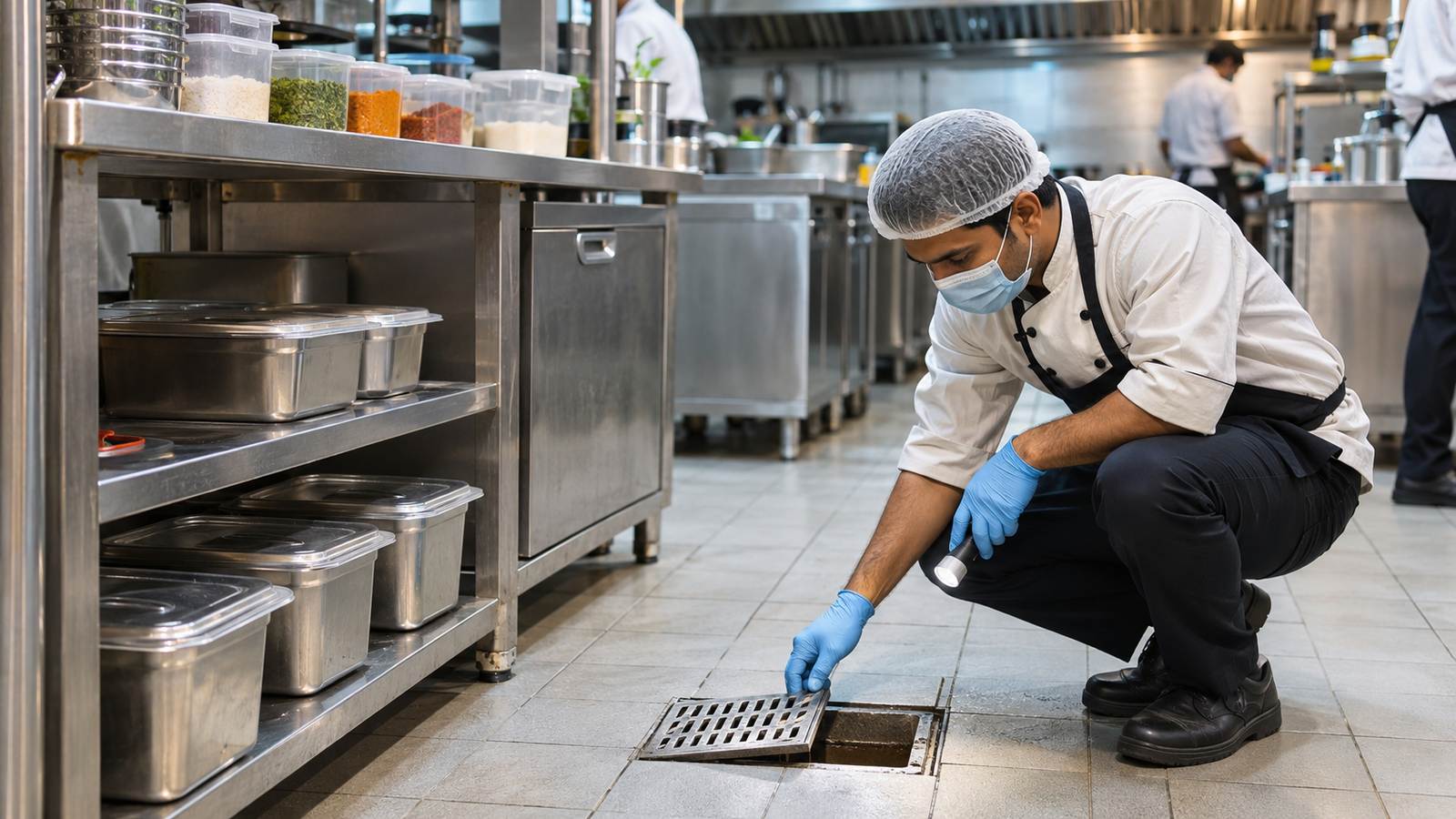
Restaurant managers should regularly inspect waste collection points, floor drains, dishwashing areas and entrances.
Identifying and removing breeding sources is more effective than relying only on flying-insect sprays.
4. Stored-Product Insects
Small beetles and moths may infest flour, grains, spices and other dry ingredients.
Regular stock rotation, packaging inspections and clean storage shelves help reduce infestation risks.
Seven Practical Ways to Prevent Restaurant Pest Problems
1. Follow a Documented Cleaning Schedule
Develop daily cleaning procedures covering preparation counters, equipment undersides, floor edges, drains and waste areas.
Assign responsibilities to kitchen employees and maintain cleaning records.
2. Store Ingredients Correctly
Keep ingredients in sealed, food-safe containers. Store supplies off the floor and allow sufficient clearance for cleaning and inspection.
Check incoming deliveries for damaged packaging and signs of insects or rodents.
3. Manage Food Waste Promptly
Use covered waste containers, remove food waste regularly and clean bins frequently.
Inspect external waste storage areas, particularly where spilled food or standing water may attract pests.
4. Seal Potential Entry Points
Inspect gaps around plumbing, doors, ventilation openings and service penetrations.
Install suitable door sweeps and maintain protective screens where appropriate. Use durable repair materials suitable for the location.
5. Monitor Drains and Moisture
Repair leaking taps and pipes promptly.
Clean drains according to a documented maintenance procedure and investigate persistent moisture beneath kitchen equipment.
6. Train Kitchen Staff to Report Pest Activity
Employees should know how to identify and report droppings, insects, damaged packaging and unusual odours.
Encourage immediate reporting so that minor warning signs receive attention before an infestation develops.
7. Arrange Professional Pest Inspections
A professional inspection can identify pest species, entry routes, harbourages and conditions supporting infestation.
Treatment should be selected according to the pest, infestation level and food-premises safety requirements.
What Happens During a Restaurant Pest Inspection?
An inspection generally begins with reviewing pest sightings and the restaurant's cleaning and maintenance practices.
A technician may examine food storage areas, kitchen equipment, drainage points, waste zones, entrances and accessible service spaces.
Where appropriate, monitoring devices can help identify activity patterns.
Inspection findings should guide a corrective-action plan covering sanitation improvements, structural repairs, monitoring and any necessary treatment.
Restaurant managers should retain inspection reports, treatment records and follow-up recommendations.
Food Safety During Pest Control Treatment
Food businesses must take additional precautions when pest control products are used.
Ingredients, utensils and food preparation surfaces must be protected from contamination. Only products authorised for the intended application should be used according to their labels and applicable requirements.
Kitchen managers should coordinate treatment timing, access restrictions and necessary cleaning before food preparation resumes.
Avoid indiscriminate use of household insecticides inside commercial kitchens.
How Often Should Mumbai Restaurants Schedule Pest Inspections?
There is no single inspection interval suitable for every restaurant.
The appropriate frequency depends on pest history, kitchen layout, food storage practices, building conditions and monitoring findings.
Restaurants experiencing recurring pest activity may need more frequent inspections and follow-up.
A risk-based prevention programme is generally more useful than selecting an arbitrary schedule.
Frequently Asked Questions
Is pest control necessary if a restaurant looks clean?
Yes. Cleanliness reduces pest attractants, but insects and rodents may still enter through deliveries, drains and structural openings.
Can restaurants remain open during pest treatment?
It depends on the treatment method, product instructions and affected areas. Food preparation may need to stop temporarily, and access or re-entry restrictions must be followed.
What should restaurant staff do after finding rodent droppings?
Keep people and food away from the affected area. Protect potentially contaminated supplies and arrange safe cleaning using appropriate protective measures and disinfectant procedures. Avoid dry sweeping or vacuuming.
Can pest prevention completely eliminate infestation risk?
No programme can guarantee that pests will never enter a restaurant. Consistent sanitation, monitoring and maintenance help reduce conditions that support pest activity.
Build a Safer Restaurant Environment in Mumbai
Restaurant pest management works best when prevention becomes part of everyday operations.
By combining proper food storage, cleaning, waste management, structural maintenance and professional inspections, restaurant operators can address pest risks before they become more difficult to manage.
Supreme Pest Control serves Mumbai and can be contacted to discuss restaurant pest inspection and management requirements.
Visit https://supremepestcontrol.co.in/ to learn more about Supreme Pest Control and its services.
Need help with a pest issue?
Our team can discuss an inspection for your property in Mumbai, Thane, Navi Mumbai or Pune.
Book an inspection ↗