# Mosquito Breeding Sites in Navi Mumbai: How to Find and Prevent Them
Mosquitoes around a home or housing society can be more than an everyday nuisance. Certain species can transmit diseases such as dengue and chikungunya. One of the most practical ways to reduce mosquito activity is to find and eliminate places where mosquitoes lay eggs.
For residents of Navi Mumbai, potential breeding sites may include balcony planters, water storage containers, clogged gutters and poorly maintained common areas. These problems are not limited to the monsoon season. Any container that holds water for long enough can become a concern.
Here is a practical guide to identifying mosquito breeding sites and establishing a weekly prevention routine.
Why Stagnant Water Attracts Mosquitoes
Mosquitoes require water for their immature stages to develop. Different species prefer different breeding habitats.
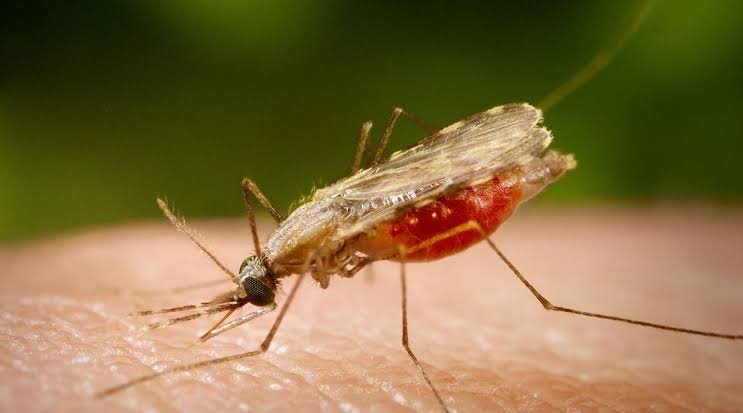
Aedes mosquitoes, which can transmit dengue, commonly use water-filled containers around homes. Their eggs may remain attached to container surfaces even after the water has dried.
This is why simply pouring out stagnant water is not always sufficient. Containers should also be scrubbed regularly to remove eggs and residue.
The World Health Organization recommends reducing breeding habitats as an important part of dengue prevention.
Seven Common Mosquito Breeding Sites in Navi Mumbai
1. Balcony Flowerpots and Plant Saucers
Water collecting beneath plant pots is easily overlooked, particularly in apartments with several balcony plants.
Check saucers weekly, empty standing water and scrub their surfaces. Avoid leaving excess irrigation water beneath containers.
2. Uncovered Water Storage Buckets
Buckets, drums and other water storage containers may become breeding sites when left uncovered.
Use tight-fitting lids. If a container cannot be covered adequately, consider a suitable mosquito-proof screen or an alternative storage arrangement.
3. Clogged Roof Gutters
Leaves, debris and damaged drainage connections can cause rainwater to accumulate.
Housing societies should include accessible roof gutters and drainage outlets in their maintenance schedules. Work at heights should be handled by trained maintenance personnel.
4. Air Cooler Trays
Air coolers that are unused or poorly maintained may retain water.
Follow the manufacturer's instructions for draining, cleaning and maintaining the equipment. Empty unused coolers rather than leaving water inside.
5. Discarded Containers and Tyres
Old buckets, plastic packaging, bottles, broken pots and tyres can collect rainwater.
Remove unnecessary items or store them under cover so they cannot accumulate water.
6. Common-Area Drainage Problems
Blocked surface drains, uneven paving and waterlogged corners may allow water to remain in shared spaces.
Report these conditions to building management. Drainage repairs are usually more sustainable than repeated temporary removal of pooled water.
7. Rooftop Tanks and Utility Areas
Poorly fitted tank covers, damaged screens and neglected utility spaces deserve inspection.
Keep water storage systems properly sealed and arrange safe professional maintenance where access is difficult.
A Simple Weekly Mosquito Prevention Routine
A short inspection every week can help residents identify problems before they are forgotten.
Step 1: Inspect Water-Holding Items
Walk through accessible balconies, utility areas and indoor spaces. Look for water inside planters, buckets, vases, trays and unused containers.
Step 2: Empty and Scrub
Empty removable containers and scrub their internal surfaces. This helps remove mosquito eggs that may remain attached to the sides.
Step 3: Cover Necessary Water Storage
Use properly fitted lids or mosquito-proof screening. Check that covers remain intact after cleaning and refilling.
Step 4: Remove Unnecessary Clutter
Dispose of damaged containers and keep useful outdoor items upside down or protected from rain.
Step 5: Record Shared-Area Problems
Photograph persistent water accumulation and report it to the housing society maintenance team.
For example, if water repeatedly collects near a parking ramp after rainfall, the solution may require a drainage repair rather than simply emptying the area once.
What Housing Societies Should Do
Mosquito prevention works better when residents and management cooperate.
Societies should identify responsibility for roof drainage, common gardens, water tanks, waste collection areas and other shared facilities.
A maintenance log can record inspection dates, standing-water complaints, repairs and follow-up checks.
Residents should also be encouraged to report water accumulation without waiting for visible mosquito swarms.
Where water cannot safely be emptied or covered, a qualified pest management professional can assess whether an appropriate larval-control method is needed.
Is Fogging Enough to Prevent Mosquitoes?
Fogging or adult mosquito treatment may reduce exposed adult mosquitoes under suitable conditions, but it does not replace breeding-site elimination.
If water-filled containers remain untreated, new mosquitoes may continue to emerge.
An effective approach combines source reduction, physical barriers, environmental maintenance and appropriate professional control when necessary.
Any pesticide application must follow applicable regulations, product labels and safety instructions.
When to Seek Professional Mosquito Control
Consider professional assessment when mosquito activity persists despite weekly cleaning, when breeding sites are inaccessible or when a housing society faces repeated complaints.
A professional inspection can help identify likely breeding habitats and recommend practical corrective measures.
Residents should also maintain window and door screens to reduce mosquitoes entering their homes.
Frequently Asked Questions
Can mosquitoes breed in clean water?
Yes. Some mosquito species, including Aedes mosquitoes, can breed in relatively clean water stored in household containers.
How often should flowerpot saucers be cleaned?
Inspect them at least weekly. Empty and scrub any saucers holding water, and avoid allowing water to accumulate between inspections.
Can mosquitoes breed on high-rise balconies?
Yes. Water-filled containers on balconies can provide suitable breeding habitats regardless of the apartment floor.
Does changing water remove mosquito eggs?
Not necessarily. Eggs can remain attached to container surfaces, so scrubbing is important.
Should residents apply mosquito chemicals to drinking water?
No. Do not add household insecticides or unapproved chemicals to drinking water. Seek advice from the relevant authority or a qualified professional about approved water-management measures.
Make Mosquito Prevention a Shared Habit
Reducing mosquito breeding sites in Navi Mumbai starts with regular inspections, covered water storage, clean balconies and well-maintained shared spaces.
A weekly routine helps residents identify overlooked water sources, while housing society coordination supports longer-term prevention.
Supreme Pest Control serves Navi Mumbai and can be contacted to discuss mosquito inspection and management requirements.
Visit https://supremepestcontrol.co.in/ to learn more.
Need help with a pest issue?
Our team can discuss an inspection for your property in Mumbai, Thane, Navi Mumbai or Pune.
Book an inspection ↗